When Cotton Fields Raised a Prophet: The Arkansas Boy Who Sang America's Pain
The Sound of Survival
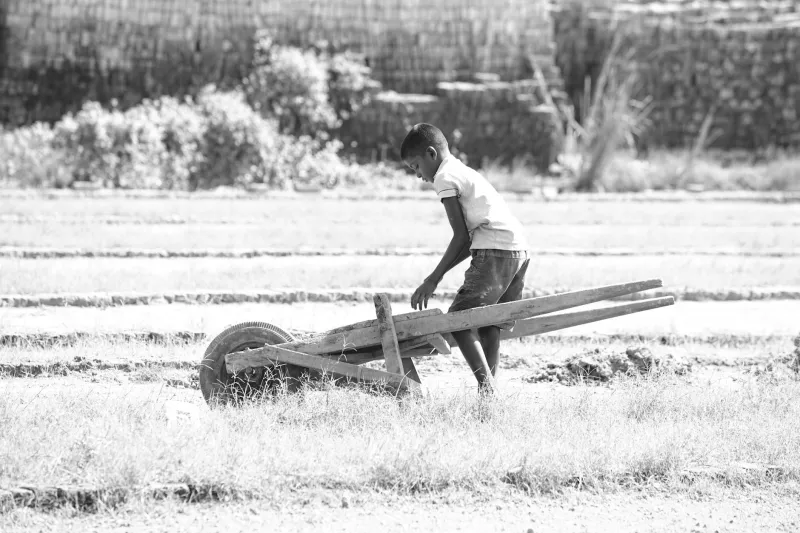
In the cotton fields of Kingsland, Arkansas, where the Mississippi Delta stretches endlessly under a punishing sun, a boy named J.R. Cash learned his first lessons about suffering. Not from books or sermons, but from the weight of a cotton sack dragging behind him as he picked bolls until his fingers bled. The year was 1942, and while other kids his age were collecting baseball cards, J.R. was learning that survival meant showing up before dawn and working until your body gave out.
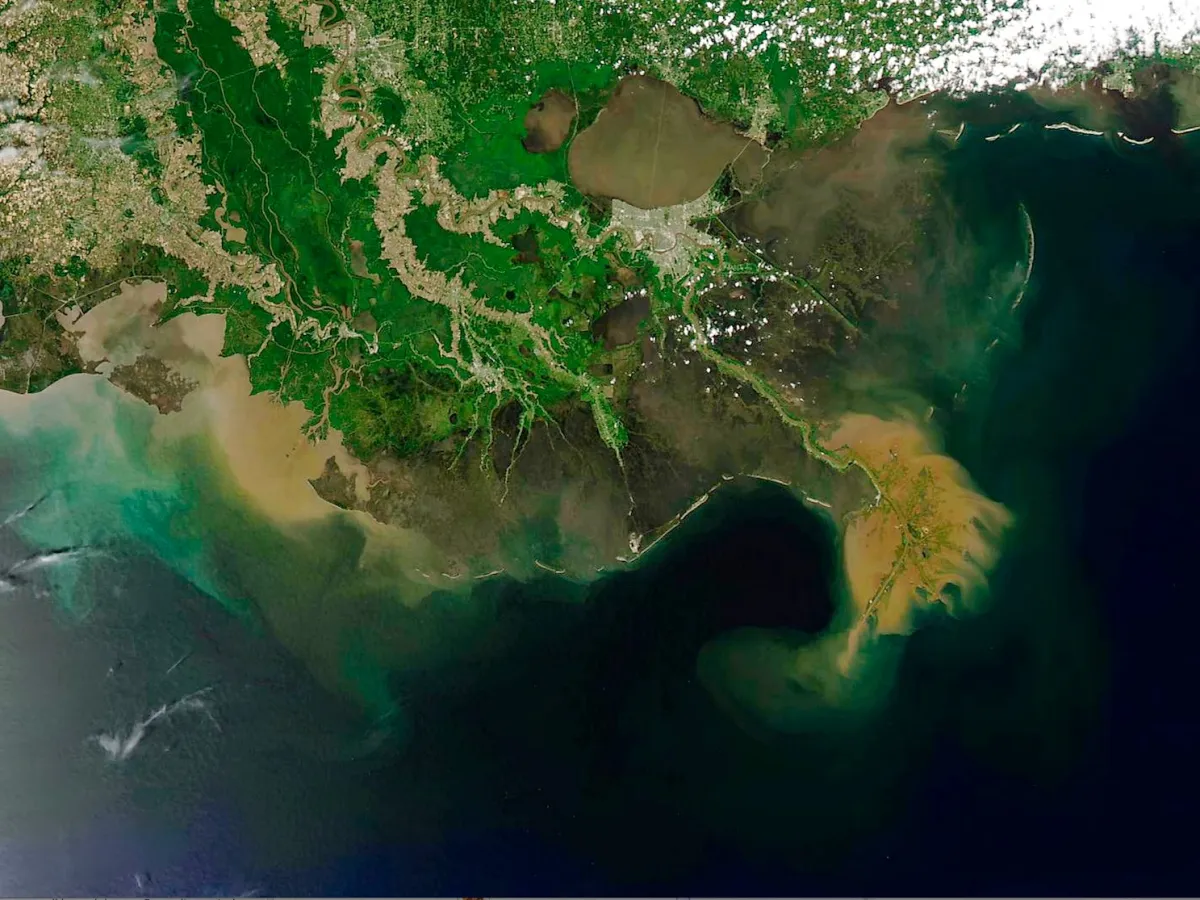 Photo: Mississippi Delta, via skytruth.org
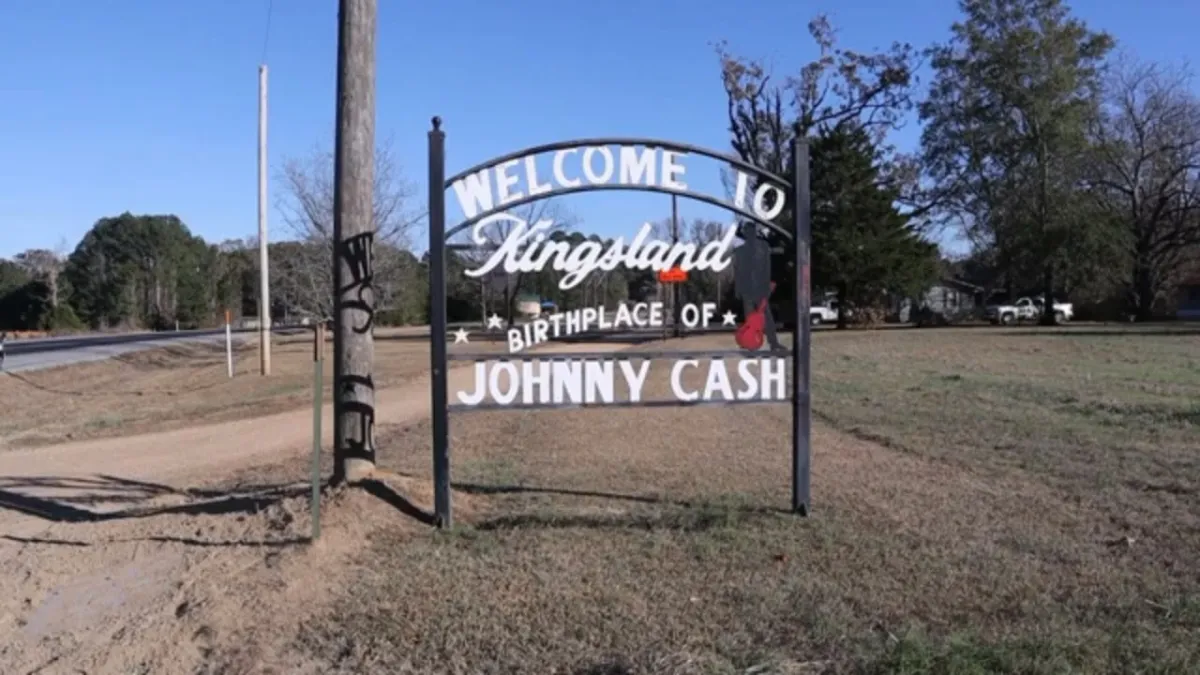 Photo: Kingsland, Arkansas, via i.ytimg.com
The Cash family had arrived in Arkansas as part of Roosevelt's New Deal resettlement program, trading the familiar poverty of Tennessee for the unfamiliar poverty of the Delta. Ray Cash, J.R.'s father, was a man who believed that hard work could overcome anything—a philosophy that would both save and nearly destroy his son.
The Brother Who Never Came Home
But it wasn't the backbreaking labor that nearly broke J.R. Cash. It was a Saturday morning in May 1944 when his older brother Jack left to work at the school's agriculture shop, building tables on a table saw. J.R. wanted to go fishing instead, tried to convince Jack to come with him. Jack chose work over play, responsibility over freedom.
He never came home.
The table saw caught Jack's shirt, pulled him into the spinning blade, and cut him nearly in half. For a week, the fourteen-year-old boy who had been J.R.'s hero, his moral compass, his best friend, lay dying in the hospital. When Jack finally passed, his last words were about seeing angels and rivers.
The guilt ate at J.R. like acid. If he had been more persuasive, if Jack had come fishing, if he had insisted harder—the if-onlys that would haunt him for decades. His father, in his grief, sometimes wondered aloud why God had taken the good son and left the wild one. Those words carved themselves into J.R.'s heart like his name on a prison wall.
Finding God in the Fields
After Jack's death, the cotton fields became J.R.'s sanctuary and his purgatory. He would sing while he worked—old hymns his mother Carrie had taught him, gospel songs that seemed to rise from the earth itself. His voice, already deep for his age, carried across the rows like a prayer or a warning.
The other workers noticed. There was something in that voice that spoke to the bone-deep weariness they all carried, something that understood suffering without trying to explain it away. J.R. wasn't performing; he was surviving, and his voice was how he did it.
Carrie Cash recognized what was happening to her son. She scraped together twelve dollars to buy him a guitar, knowing somehow that music might be the bridge between the boy who was drowning in guilt and the man he might become. When J.R.'s fingers found those strings, something clicked into place—not healing, exactly, but a way to carry the weight.
The Making of the Man in Black
By the time J.R. Cash became Johnny Cash, by the time he walked into Sun Records in Memphis with songs about folsom prisons and freight trains, the Arkansas cotton fields had already done their work. They had taught him that authenticity couldn't be manufactured, only earned through suffering. They had shown him that the most powerful art comes from the darkest places.
 Photo: Johnny Cash, via backfirenews.com
The voice that would eventually sing "I Walk the Line" and "Ring of Fire" was forged in those fields, shaped by the weight of cotton sacks and the memory of a brother who died too young. When Cash sang about prisoners and outcasts, about men who had lost everything and women who had been forgotten, he wasn't creating characters—he was remembering neighbors.
The Unlikely Prophet
What made Johnny Cash extraordinary wasn't that he escaped his circumstances—it was that he never forgot them. While other country singers sanitized their backgrounds for mainstream appeal, Cash wore his scars like badges. The poverty, the grief, the guilt that had nearly destroyed him became the foundation of his credibility.
In a world of manufactured stars and focus-grouped personas, Cash remained stubbornly real. He sang for the forgotten people because he had been one of them. He understood addiction because he had lived it. He knew about redemption because he had needed it desperately.
The boy who picked cotton with bleeding fingers became the man who sang for everyone whose fingers were bleeding—literally or metaphorically. The sharecropper's son who couldn't save his brother became the voice for everyone who couldn't save themselves.
Legacy in Black
When Johnny Cash died in 2003, the obituaries focused on his music, his marriages, his struggles with addiction. But perhaps the most important part of his story was the least glamorous: those years in the Arkansas Delta, learning that survival required both strength and surrender, that the most beautiful songs often come from the ugliest circumstances.
The cotton fields of Kingsland are mostly gone now, replaced by soybeans and shopping centers. But somewhere in the Mississippi Delta, you can still hear echoes of that young voice, singing hymns to keep the darkness at bay, learning the lessons that would eventually teach America how to sing its own pain.
J.R. Cash became Johnny Cash not despite his unlikely beginnings, but because of them. The gravedigger's grandson who picked cotton barefoot became the voice of a generation precisely because he never forgot where that voice came from.