The Diner That Changed Everything: How One Stubborn Cook Sparked the Farm-to-Table Revolution
The Diner Time Forgot
On a stretch of Highway 51 just south of Memphis, where the city gives way to farmland and the neon signs grow sparse, stood a diner that looked like it had been forgotten by time itself. Tootsie's Place wasn't much to look at—cracked vinyl booths, a coffee pot that had seen better decades, and a hand-painted sign that faded a little more each summer.
But inside that unremarkable building, Gertrude "Tootsie" Price was quietly staging a revolution, one plate at a time.
 Photo: Gertrude "Tootsie" Price, via www.rochandgertrude.com
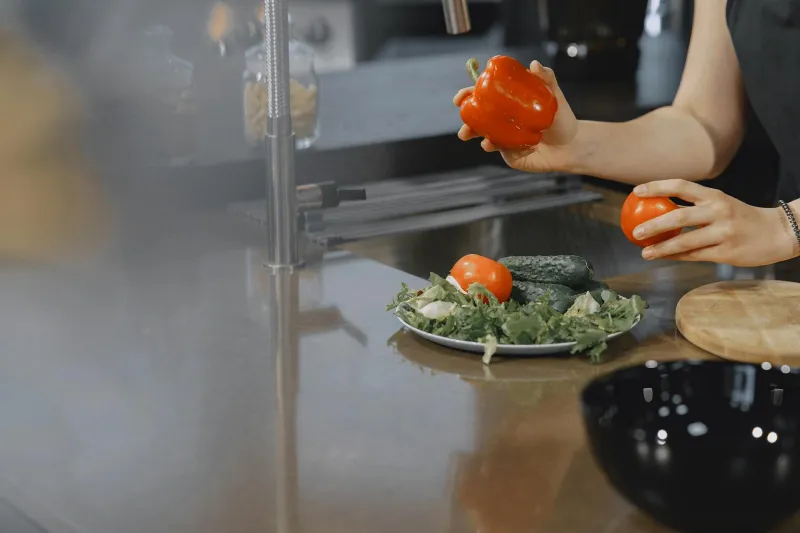
While the rest of America was embracing the convenience of frozen foods and industrial agriculture in the 1950s, Tootsie was driving her battered pickup truck to farms at dawn, haggling over tomatoes that still had dirt on them and eggs that had been laid that morning. Her customers thought she was just being difficult. Her suppliers thought she was being foolish. Neither group understood that they were witnessing the birth of what would become a billion-dollar movement.
The Woman Who Wouldn't Compromise
Tootsie Price had never intended to become a restaurateur, much less a food revolutionary. She had taken over the diner in 1952 when her husband died suddenly, leaving her with two young children and a business she knew nothing about running. The previous owner had been cutting costs wherever possible—canned vegetables, frozen meat, powdered mixes for everything from gravy to pie filling.
Tootsie took one look at the inventory and made a decision that would define the next three decades of her life: she was going to cook the way her grandmother had taught her, regardless of what it cost or how much extra work it meant.
"I don't know how to make food that don't taste like food," she told her lone waitress, a woman named Betty who would become her partner in what they didn't yet know was a movement.
The Stubborn Supply Chain
What Tootsie created by accident was the first farm-to-table operation in the Mid-South, though the term wouldn't be coined for another twenty years. Every morning before dawn, she would drive to a handful of small farms within fifty miles of Memphis, buying whatever was in season and planning her menu around what she found.
The farmers thought she was crazy at first. They were used to selling to distributors who wanted consistency, predictability, volume. Tootsie wanted three dozen eggs today, maybe fifty tomorrow, depending on how many customers showed up. She wanted tomatoes that tasted like tomatoes, even if they weren't perfectly round. She wanted corn that had been picked yesterday, not last week.
Slowly, a handful of farmers began to understand what she was after. They started setting aside their best produce for the lady from the diner who paid cash and never haggled about quality, only price. They began to see their farms through her eyes—not as production facilities, but as sources of something precious that was being lost in America's rush toward efficiency.
The Accidental Discovery
For years, Tootsie's Place operated in relative obscurity, serving farmers, truckers, and locals who appreciated good food but didn't think much about where it came from. The diner made enough money to keep the lights on and put Tootsie's kids through school, but it wasn't making her rich.
Then, in 1967, a food writer from Memphis Magazine got lost on his way back from an assignment in Mississippi. Hungry and running low on gas, he pulled into Tootsie's Place expecting nothing more than a quick meal and directions back to the interstate.
What he found instead was a plate of fried chicken that made him question everything he thought he knew about food. The chicken wasn't just good—it was revelatory. The vegetables tasted like they had been picked that morning, which they had. The cornbread was made with meal ground from corn that was still growing in fields he had driven past on his way to the diner.
His review, titled "The Diner That Time Forgot," ran three weeks later and changed everything.
The Revolution Nobody Saw Coming
Suddenly, Tootsie's Place was no longer a local secret. Food lovers from across the South began making pilgrimages to the little diner on Highway 51. Chefs from New Orleans and Atlanta would drive hours to taste what Tootsie was doing, trying to understand how she achieved flavors they couldn't replicate in their sophisticated kitchens.
The answer was simpler than they expected and more complex than they imagined. Tootsie wasn't using exotic techniques or secret ingredients. She was just refusing to compromise on the one thing that mattered most: the quality of what went into the pot.
"Ain't no secret to it," she would tell the stream of culinary pilgrims who showed up at her door. "You get good stuff, you cook it right, you don't mess with it too much. That's all there is."
Teaching Without Knowing
What Tootsie didn't realize was that she was providing a master class in what would become known as farm-to-table cuisine. Chefs who visited her diner went back to their restaurants with new ideas about sourcing, seasonality, and the relationship between food and place.
Some of them started seeking out local farmers, following Tootsie's model without fully understanding it. Others began questioning the industrial food system that had seemed so modern and efficient just a few years earlier. A few brave souls started putting "locally sourced" on their menus, though they had to explain to customers what that meant.
The Legacy in Every Bite
By the time Tootsie Price retired in 1984, the farm-to-table movement had spread across America, though she never claimed credit for starting it. To her, she had just been cooking the only way she knew how—the way that made sense, the way that tasted right.
The diner closed when she retired, and the building was eventually torn down to make way for a strip mall. But the ideas that were born in that humble kitchen live on in thousands of restaurants across America, in farmers markets that connect consumers directly with producers, in a generation of chefs who understand that the best cuisine starts with the best ingredients.
Tootsie Price never set out to change how America thinks about food. She just refused to serve anything she wouldn't eat herself, insisted on cooking the way her grandmother had taught her, and proved that sometimes the most powerful revolutions happen one plate at a time, in places nobody expects to find them.
The woman who thought she was just being stubborn had accidentally shown America the way back to its culinary roots.