The Tamale Stand That Built an Empire: How One Woman Fed Her Way to Fortune
The Recipe for Survival
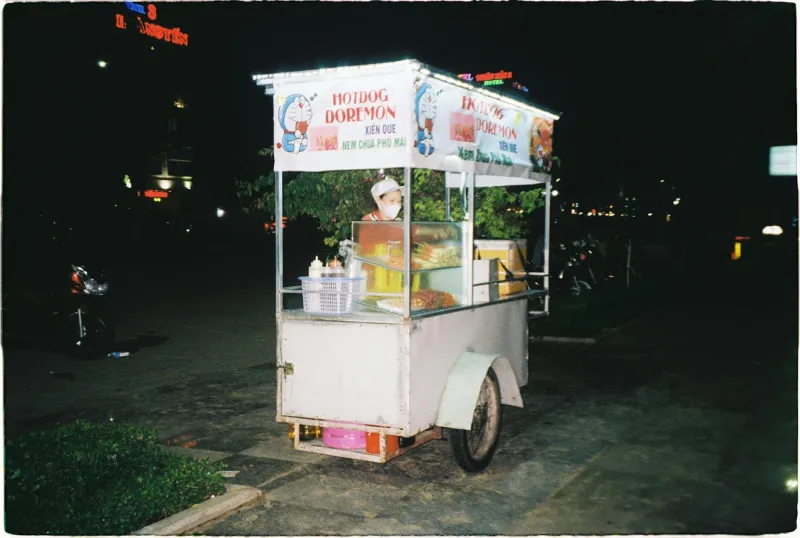
Every morning at 4 AM, Rosa Hernández would light the fire under her massive steel pot and begin the ritual that would change her family's life forever. In the kitchen of her small house on the outskirts of San Antonio, she'd prepare dozens of tamales—corn masa filled with spiced pork and wrapped in corn husks. By 6 AM, she'd be standing outside the Swift & Company meatpacking plant with a wooden cart, calling out to workers heading into their shifts: "¡Tamales calientes! Fresh tamales!"
 Photo: Swift & Company, via static-10.sinclairstoryline.com
 Photo: San Antonio, via caminosanantonio.org
 Photo: Rosa Hernández, via www.artmajeur.com
It was 1923, and Rosa was a 28-year-old widow with three children to feed. Her husband had died in an industrial accident, leaving her with no savings, limited English, and few options in a Texas that wasn't particularly welcoming to Mexican-American women. But she had two things that would prove more valuable than formal education or business connections: her grandmother's tamale recipe and an unshakeable belief that good food could open any door.
Building Trust, One Tamale at a Time
The meatpacking plant was a tough crowd. The workers—mostly Anglo men earning decent wages in a dangerous industry—weren't immediately sold on buying lunch from a Mexican woman with a pushcart. Rosa understood that she wasn't just selling food; she was selling herself, her culture, and her right to be there.
She started by learning her customers' names, their shift schedules, and their preferences. She'd save the spiciest tamales for the men who liked heat, and prepare milder versions for those who didn't. When payday was delayed, she'd extend credit without being asked. When workers got injured, she'd send tamales home with their friends.
"She treated every customer like family," recalled James Mitchell, whose father worked at the plant. "Pretty soon, the guys weren't just buying lunch—they were bringing their friends, their wives, their kids. She turned that corner into a community."
The Expansion Strategy
By 1925, Rosa's corner had become so popular that Swift & Company offered her an exclusive contract to provide food service for their employees. It was the break she'd been working toward, but Rosa surprised everyone by turning it down. She had bigger plans.
Instead of tying herself to one location, Rosa began franchising her operation—though she wouldn't have used that word. She taught other Mexican-American women her recipes and business methods, then helped them set up their own stands outside factories, construction sites, and office buildings across San Antonio. Each vendor paid Rosa a small fee and bought their supplies through her, creating an informal network that stretched across the city.
"She understood something that a lot of business owners didn't," explains Dr. María González, a food historian at the University of Texas. "She realized that her real product wasn't tamales—it was opportunity. She was creating jobs for women who had no other options."
Breaking Down Barriers, Building Up Business
Rosa's success didn't go unnoticed, and not all the attention was welcome. City health inspectors began showing up regularly, looking for reasons to shut down her operation. Restaurant owners complained that unlicensed food vendors were unfair competition. Some customers faced pressure from their employers to stop buying from "those Mexican women."
Rosa responded by getting ahead of the regulations rather than fighting them. She rented a small storefront, installed commercial-grade equipment, and obtained all the necessary permits and licenses. When health inspectors arrived, they found a operation that exceeded city standards. When competitors complained about unfair competition, Rosa invited them to try her tamales and learn her methods.
Most importantly, she began courting customers beyond the working-class neighborhoods where she'd started. She catered church events, political rallies, and business meetings. She made sure her vendors were present at every major public gathering, from county fairs to Cinco de Mayo celebrations.
The Empire Emerges
By 1930, Rosa's network included more than forty vendors across three Texas cities. She had opened a small restaurant, launched a catering business, and begun selling her spice blends to other Mexican restaurants. What had started as a survival strategy had become a legitimate business empire.
The Great Depression should have destroyed everything Rosa had built. Instead, it made her business even more valuable. As unemployment soared and families struggled to afford restaurant meals, Rosa's affordable, filling tamales became a lifeline for working-class communities across Texas. Her vendors adapted their locations and schedules to follow the available work, setting up outside WPA projects and relief centers.
"When times got tough, people still needed to eat," Rosa told a reporter in 1934. "We just had to figure out where they were and what they could afford."
Legacy Beyond the Ledger
Rosa Hernández never became a household name like other food entrepreneurs of her era. She didn't franchise nationally or sell her company to a corporation. But her influence on American food culture runs deeper than many realize.
The network of vendors she created became a model for other immigrant food entrepreneurs. Her emphasis on quality, consistency, and customer service helped legitimize street food in cities where it had previously been seen as unsanitary or unprofessional. Most importantly, she proved that Mexican-American cuisine could be a profitable business, not just a cultural curiosity.
"She paved the way for every Mexican restaurant, every taco truck, every Hispanic food entrepreneur who came after her," says chef and food writer Gustavo Arellano. "She showed that you could honor your culture and feed your family at the same time."
The Ingredients of Success
When Rosa Hernández died in 1967, her business empire included restaurants in four states, a food processing facility, and a distribution network that supplied Mexican ingredients to grocers across the Southwest. Her children and grandchildren had all graduated from college, funded by tamale profits.
But perhaps her most important legacy was the example she set for generations of immigrant entrepreneurs. She proved that success in America didn't require abandoning your culture or compromising your values. Sometimes it just required a good recipe, a willingness to work before dawn, and the understanding that feeding people well is the foundation of every great business.
Rosa's story reminds us that the American Dream has always been seasoned with flavors from around the world, and that some of our most important business innovations have come not from boardrooms, but from the street corners where hungry people meet determined entrepreneurs willing to serve them exactly what they need.