The Thread That Led to Freedom: How One Seamstress Hid Maps in Plain Sight
The Language Written in Thread
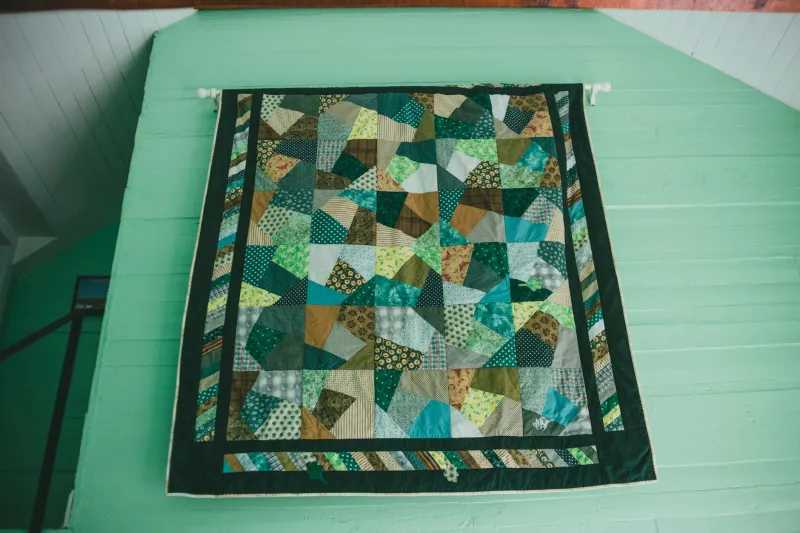
The quilt hanging on Sarah Collins's front porch looked like every other quilt in 1840s Maryland—geometric patterns in blues and browns, the kind of practical bedding that marked a well-kept household. Neighbors walking past her small frame house in Baltimore would nod approvingly at the craftsmanship, never suspecting they were looking at a map.
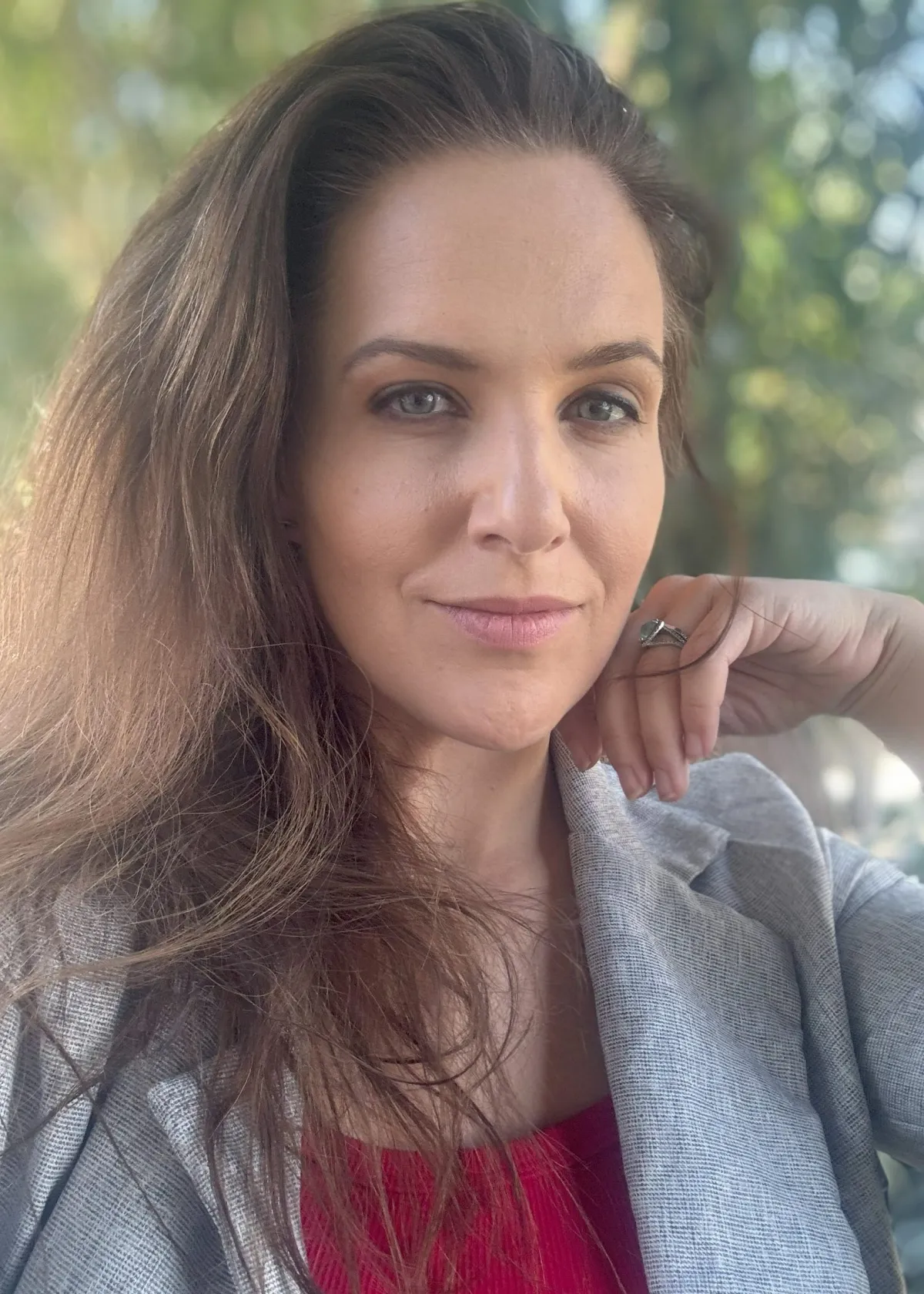 Photo: Sarah Collins, via mitchellhamline.edu
A map that could lead enslaved people to freedom.
Collins, a free Black seamstress, had spent years developing what historians now believe was one of the most ingenious communication systems of the Underground Railroad era. Using traditional quilt patterns that had been passed down through generations, she encoded navigational information, safe house locations, and timing signals into bedding that hung innocuously in full view of anyone who cared to look.
The genius wasn't just in the coding—it was in the hiding. In a world where literacy among enslaved people was forbidden and written directions could mean death, Collins had found a way to preserve crucial information in something so domestic, so feminine, so ordinary that it became invisible to the authorities hunting for exactly this kind of intelligence.
The Patterns That Pointed North
Modern researchers studying Collins's surviving quilts have identified at least twelve distinct patterns that appear to correspond with known Underground Railroad routes through Maryland and Pennsylvania. The "Log Cabin" pattern, traditionally used to represent home and safety, was modified with specific color combinations that indicated safe houses. Dark centers meant danger; light centers suggested sanctuary.
The "North Star" pattern, obvious in retrospect, was subtly altered to show not just direction but distance. The number of points, their relative sizes, and their positioning within the quilt's overall design created a coordinate system that could guide travelers from one safe location to the next.
Most remarkably, Collins developed what appears to be a temporal coding system. Different quilt patterns hung outside her home on different days of the week, creating a calendar that told potential escapees when it was safe to travel and when they should wait.
"She turned her entire front porch into a communication center," explains Dr. Gladys-Marie Fry, author of "Stitched from the Soul: Slave Quilts from the Antebellum South." "But it looked like nothing more than a woman airing her bedding."
The Seamstress Who Learned Geography
Sarah Collins had been born free in Baltimore, the daughter of a freed slave who had purchased his family's freedom through decades of work as a ship's carpenter. This background gave her something rare among African Americans of her era: mobility. As a seamstress serving both Black and white clients, she could travel throughout Maryland and southern Pennsylvania without arousing suspicion.
She used this freedom to map the territory herself.
Collins would take sewing commissions that required her to travel to plantations, farms, and towns throughout the region. While fitting dresses for plantation owners' wives, she was simultaneously memorizing routes, noting which roads were well-patrolled, identifying houses where sympathetic residents might offer aid.
"She was conducting reconnaissance missions disguised as business trips," notes historian James McGowan. "Every fitting appointment was an intelligence-gathering operation."
This firsthand knowledge of the terrain allowed her to create quilts with remarkable accuracy. The patterns weren't just symbolic—they were precise maps drawn with thread instead of ink.
The Network Hidden in Plain Sight
Collins didn't work alone. Historical records suggest she was part of a network of seamstresses, quilters, and textile workers throughout the Mid-Atlantic region who used similar coding systems. They communicated through the quilts themselves, sending completed pieces to each other as gifts that contained updated information about route changes, new dangers, or emerging opportunities.
The network operated like a textile telegraph, with information traveling from house to house through seemingly innocent exchanges of domestic goods. A quilt sent as a wedding gift might contain crucial updates about which river crossings were being watched. A christening present could warn of new slave catchers in the area.
"They created an intelligence network that operated entirely within the domestic sphere," explains Dr. Fry. "Authorities were looking for men with weapons and written communications. They weren't paying attention to women exchanging quilts."
The Code That Survived Slavery
The full extent of Collins's quilt coding system might never be known. Many of her quilts were destroyed during the Civil War, when Union and Confederate forces alike used textiles for military purposes. Others were worn out through use—after all, they were functional bedding as well as revolutionary tools.
But enough survived to reveal the sophistication of her method. In 1963, Collins's great-granddaughter donated seventeen quilts to the Smithsonian Institution. When researchers began studying them in the 1990s, using computer analysis to identify patterns, they discovered what appeared to be a complete navigation system for the Underground Railroad's eastern routes.
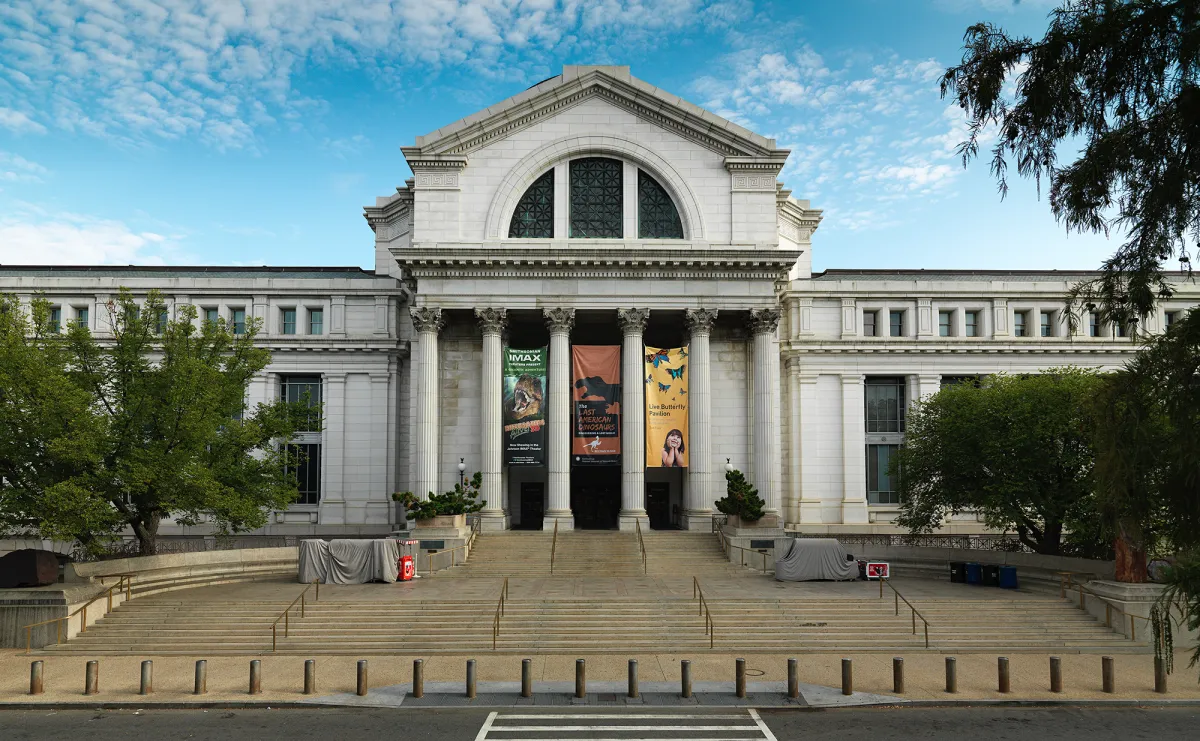 Photo: Smithsonian Institution, via www.si.edu
The quilts contained information about:
- Safe houses operated by Quakers in Pennsylvania
- Seasonal timing for river crossings
- Which roads to avoid during different times of year
- Signal systems used by Underground Railroad conductors
- Emergency protocols if travelers were discovered
All of this intelligence was embedded in traditional patterns that had been used by quilters for generations. Collins had taken familiar designs and transformed them into revolutionary technology.
The Art of Resistance
What makes Collins's story particularly remarkable is how she transformed domestic labor—traditionally seen as women's work with little political significance—into a tool of resistance and liberation. In a society that denied enslaved people the right to read, she created literacy in fabric. In a world where Black women's intelligence was dismissed, she built complex systems that outwitted trained authorities.
"Sarah Collins represents something profound about resistance under oppression," reflects Dr. Tera Hunter, author of "Bound in Wedlock: Slave and Free Black Marriage in the Nineteenth Century." "She found power in powerlessness, used invisibility as a weapon, and turned the very symbols of domesticity into instruments of revolution."
Her quilts also represent a form of artistic expression that was simultaneously beautiful and functional, creative and practical. Each piece was a work of art that could also save lives—aesthetic achievement that served revolutionary purposes.
Legacy in Thread and Memory
Sarah Collins died in 1867, two years after the end of the Civil War. Her obituary in the Baltimore Sun made no mention of her Underground Railroad activities—such work remained dangerous even after emancipation. She was remembered simply as "a skilled seamstress and devoted member of Bethel AME Church."
It wasn't until the 1990s that historians began to understand the full scope of her contributions to the freedom movement. Her quilts, preserved by family members who understood their significance even when they couldn't speak openly about it, became crucial evidence in documenting how the Underground Railroad actually functioned.
Today, Collins's quilts are studied not just as historical artifacts but as examples of coded communication, folk art, and revolutionary design. They represent the ingenuity that flourished under oppression, the creativity that found expression even in the most constrained circumstances.
The Maps That Made Freedom Possible
Sarah Collins stitched together more than fabric in her Baltimore workshop. She wove together geography and hope, tradition and revolution, art and liberation. Her quilts were maps, but they were also promises—promises that freedom was possible, that someone cared enough to show the way, that the journey north was worth taking.
In a world that tried to make enslaved people invisible, Collins used her own invisibility as a free Black woman to create visibility for others. She turned thread into lifelines, patterns into pathways, and domestic craft into the architecture of freedom.
Her story reminds us that revolution doesn't always announce itself with guns and manifestos. Sometimes it whispers its secrets in the language of thread and pattern, hanging quietly on a front porch, waiting for those who know how to read its hidden message: This way to freedom. This way home.