From Cell Block to Corner Office: The Ex-Cons Who Became America's Legal Warriors

The Classroom Behind Bars
The American justice system has a funny way of creating its own critics. Sometimes the people who understand law best are those who've been crushed by it. These five individuals walked into courtrooms as defendants, served their time behind bars, and walked out with law degrees and a mission to fix what they'd experienced firsthand.
Their stories prove that rock bottom can sometimes be the perfect foundation for building something extraordinary.
1. Jarrett Adams: The Wrongfully Convicted Defender
In 1998, seventeen-year-old Jarrett Adams was sentenced to 28 years in prison for a sexual assault he didn't commit. His court-appointed attorney had conducted no investigation and called no witnesses. Adams spent the first few years of his sentence angry and hopeless, until an older inmate handed him a law book and said, "If you want justice, you're going to have to learn to fight for it yourself."
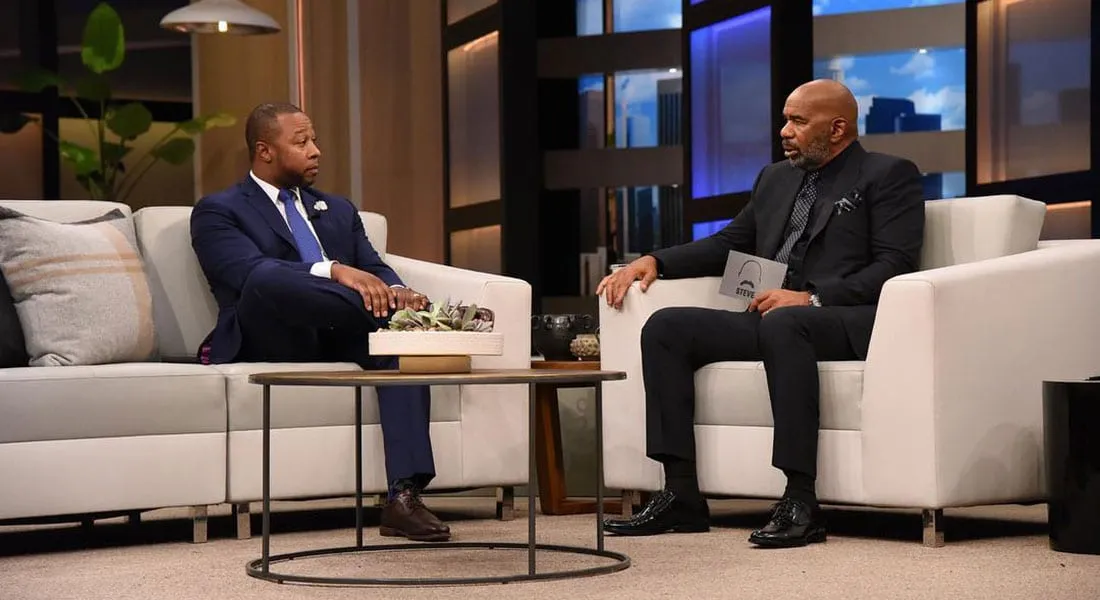 Photo: Jarrett Adams, via blogs.roosevelt.edu
Adams taught himself law in the prison library, spending twelve hours a day reading cases and writing appeals. In 2007, the Wisconsin Innocence Project took on his case, and DNA evidence finally proved his innocence. But instead of walking away from the legal system that had failed him, Adams walked straight into law school.
Today, he's a federal public defender who specializes in wrongful conviction cases. He's helped exonerate multiple innocent defendants and has become one of the most effective advocates for criminal justice reform in the country. "I understand what it feels like to be failed by the system," Adams says. "That makes me a better lawyer for my clients."
2. Shon Hopwood: From Bank Robber to Supreme Court Advocate
Shon Hopwood was 23 when he robbed his first bank in rural Nebraska. By 24, he'd robbed four more and was facing a twelve-year federal sentence. With nothing but time on his hands, Hopwood started helping fellow inmates with their legal appeals—despite having no formal legal training whatsoever.
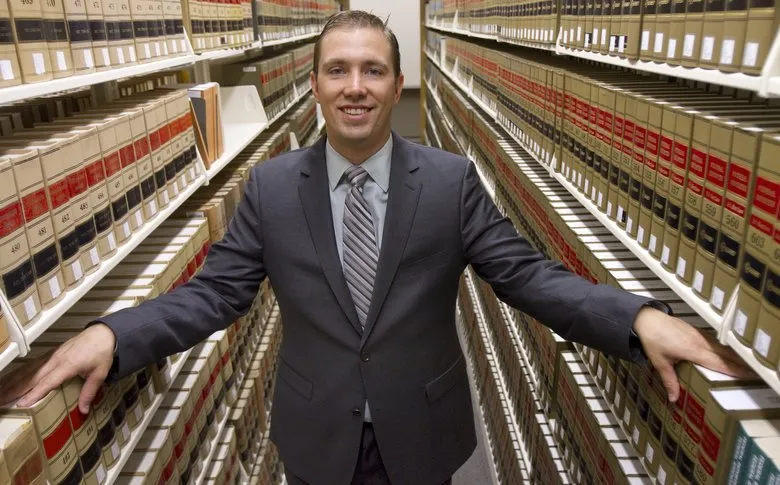 Photo: Shon Hopwood, via madnessmedia.net
What happened next was unprecedented: Hopwood's jailhouse legal briefs started winning. In 2002, his petition to the Supreme Court on behalf of another inmate was accepted for review—something that happens to less than one percent of submitted cases. When the Court ruled in favor of his client, legal scholars were stunned to learn the winning brief had been written by a bank robber with a GED.
After his release, Hopwood earned a law degree from the University of Washington and clerked for a federal judge. He's now a professor at Georgetown Law and one of the nation's leading experts on federal sentencing. His transformation from bank robber to Supreme Court advocate remains one of the most remarkable second acts in American legal history.
3. Kemba Smith: The Drug War Whistleblower
Kemba Smith was a college student at Hampton University when she fell in love with the wrong man. Her boyfriend was a major drug dealer, and when he was killed in 1994, federal prosecutors charged Smith as part of his conspiracy—despite the fact that she had never sold drugs herself.
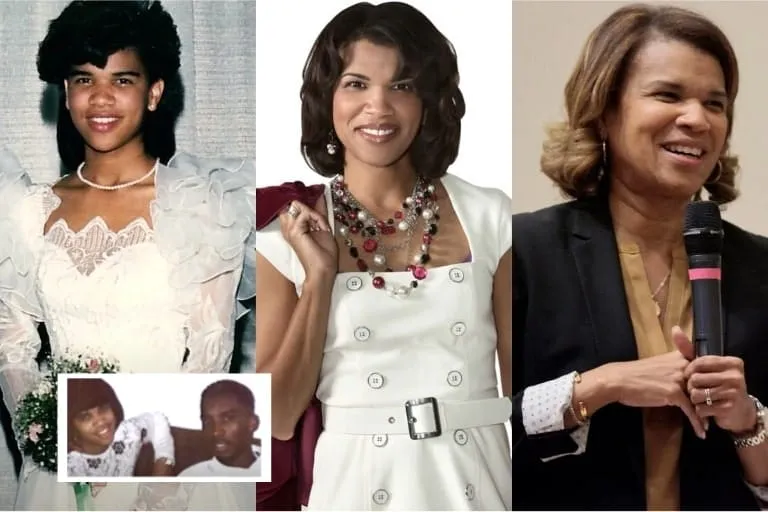 Photo: Kemba Smith, via www.astrodon.com
Under mandatory minimum sentencing laws, Smith received 24.5 years in federal prison. She was eight months pregnant when she was sentenced, and gave birth to her son while shackled to a hospital bed. Her case became a symbol of how drug laws disproportionately punished women and people of color.
President Clinton commuted Smith's sentence in 2000, and she immediately threw herself into criminal justice reform. She earned a master's degree in social work and became a leading advocate for sentencing reform, particularly around cases involving domestic violence and drug conspiracies. Her testimony before Congress helped shape the Fair Sentencing Act of 2010, which reduced disparities between crack and powder cocaine sentences.
4. Susan Burton: The Addiction Advocate
Susan Burton spent fifteen years cycling in and out of prison on drug-related charges, caught in the revolving door of addiction and incarceration. Each time she was released, she had nowhere to go and no support system, making relapse almost inevitable. It wasn't until her sixth stint in prison that she realized the system wasn't designed to help people like her—it was designed to keep them coming back.
After her final release in 1997, Burton got sober and started A New Way of Life, a nonprofit that provides housing and support for women returning from prison. What began as a single house in Los Angeles has grown into a network of facilities that has helped thousands of formerly incarcerated women rebuild their lives.
Burton's work has influenced policy at the highest levels. She's testified before Congress, advised the Obama administration on criminal justice reform, and co-authored a book that became required reading in law schools across the country. Her organization has become a model for reentry programs nationwide.
5. Reginald Dwayne Betts: The Poet Lawyer
Reginald Dwayne Betts was sixteen when he was sentenced to eight years in prison for carjacking. Like many young offenders, he entered the system angry and directionless. But a chance encounter with a book of poetry in the prison library changed everything.
Betts began writing poetry as a way to process his experience, and discovered he had a gift for language. After his release, he earned a bachelor's degree from the University of Maryland, a master's from Warren Wilson College, and eventually a law degree from Yale. His poetry collections have won national awards, and his legal scholarship focuses on the intersection of criminal justice and civil rights.
Today, Betts practices law while continuing to write and speak about criminal justice reform. He serves on multiple policy boards and has advised everyone from federal judges to presidential candidates. His unique perspective as both poet and lawyer has made him one of the most compelling voices in the reform movement.
The Power of Lived Experience
What unites these five stories isn't just their dramatic transformations—it's their understanding that real change comes from those who've experienced the system's failures firsthand. Each of them could have walked away from the legal system that had hurt them. Instead, they chose to dive deeper, earning the credentials and expertise needed to change it from within.
Their success challenges fundamental assumptions about redemption, expertise, and who gets to shape the laws that govern us all. They prove that sometimes the best lawyers are those who've been on the other side of the handcuffs, and that the most powerful advocates are those who've lived the consequences of the policies they're fighting to change.
In a country that loves comeback stories, these five represent something even more powerful: the idea that our worst mistakes can become our greatest qualifications, and that the people society writes off might be exactly the ones we need to listen to most carefully.