The Master Faker Who Made America's Museums Smarter
The Perfect Crime That Improved Everything
In 1967, Elmyr de Hory walked into the Metropolitan Museum of Art in New York and watched visitors admire his "Monet" water lilies. The painting had been hanging there for three years, praised by critics and studied by art students. There was just one problem: de Hory had painted it himself in his apartment six months before selling it to the museum.
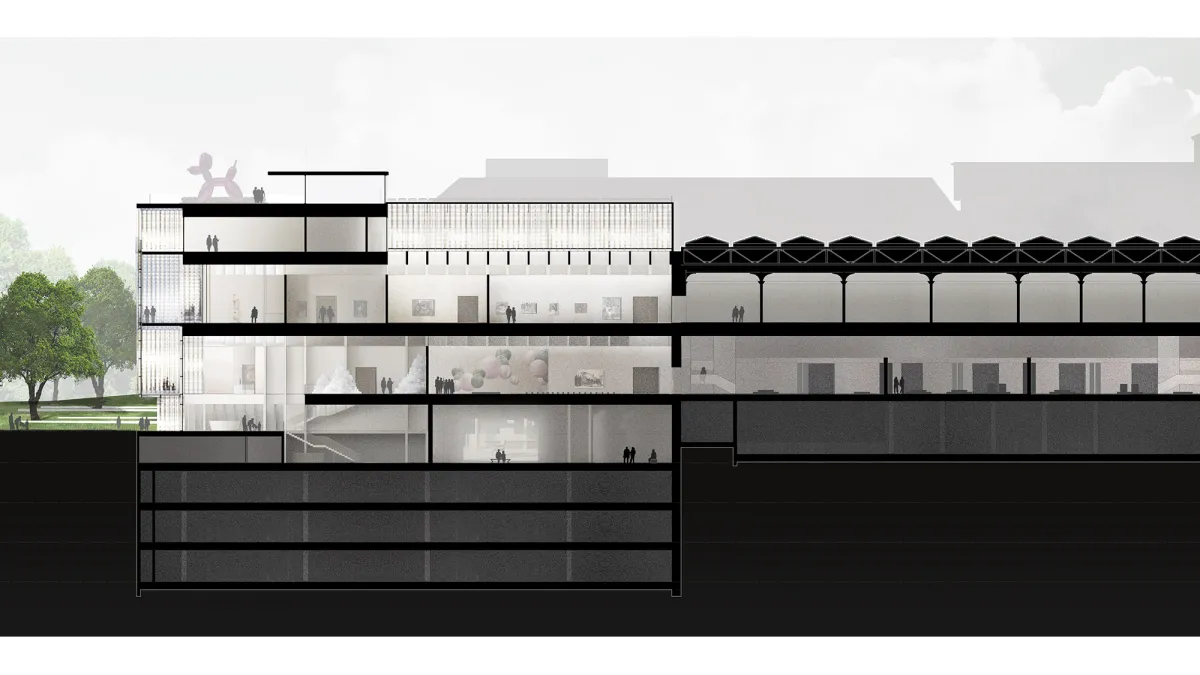 Photo: Metropolitan Museum of Art, via alliedworks.com
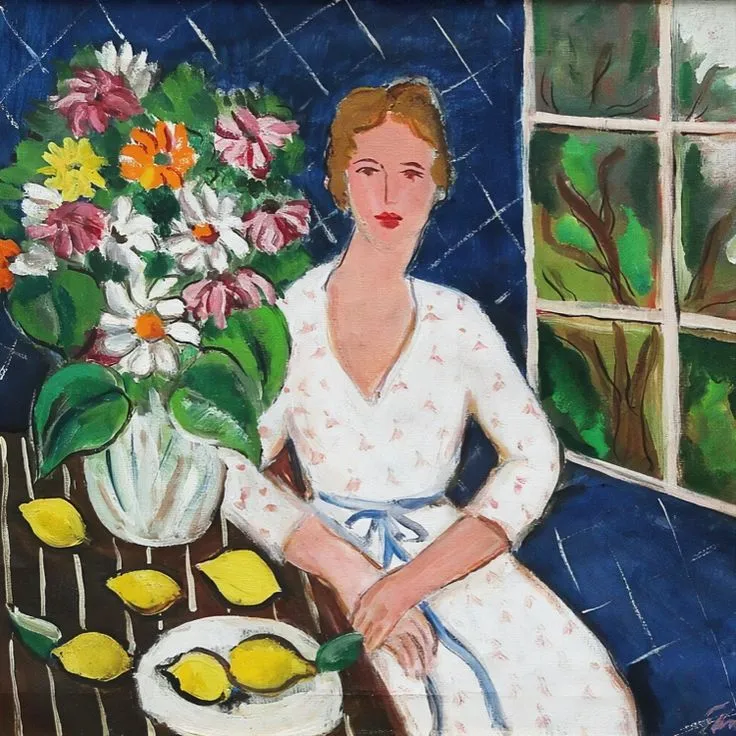 Photo: Elmyr de Hory, via i.pinimg.com
De Hory smiled and moved on to the next room, where another of his "masterpieces"—this time a convincing Picasso—drew crowds of admirers. By the time his decades-long forgery operation was exposed, this Hungarian immigrant had created over 1,000 fake paintings and sold them to museums, galleries, and private collectors across America.
But here's the twist: his elaborate deception accidentally made American art institutions smarter, more careful, and better at their jobs than they'd ever been before.
The Gentleman Forger's Unlikely Gift
De Hory wasn't your typical criminal. Born into Hungarian aristocracy, he'd studied art in Paris and possessed genuine talent. When World War II destroyed his family's fortune and left him stranded in America, he discovered his gift for mimicking the masters wasn't just impressive—it was profitable.
What made de Hory's forgeries so dangerous wasn't just their technical excellence, but his deep understanding of art history. He didn't just copy famous paintings; he created "lost" works that could have existed, complete with fabricated provenance stories that fooled even seasoned experts.
When Fakes Exposed Real Problems
De Hory's success revealed embarrassing truths about American art institutions in the 1950s and 1960s. Museums were buying paintings based on little more than expert opinions and impressive-sounding backstories. Authentication was often a matter of scholarly consensus rather than scientific analysis.
The Museum of Fine Arts in Boston bought three of his "Renoirs" in a single year. The Phillips Collection in Washington, D.C. proudly displayed his "Cézanne" for two years before questions arose. The Fogg Art Museum at Harvard—supposedly home to the nation's most discerning art scholars—purchased multiple de Hory forgeries.
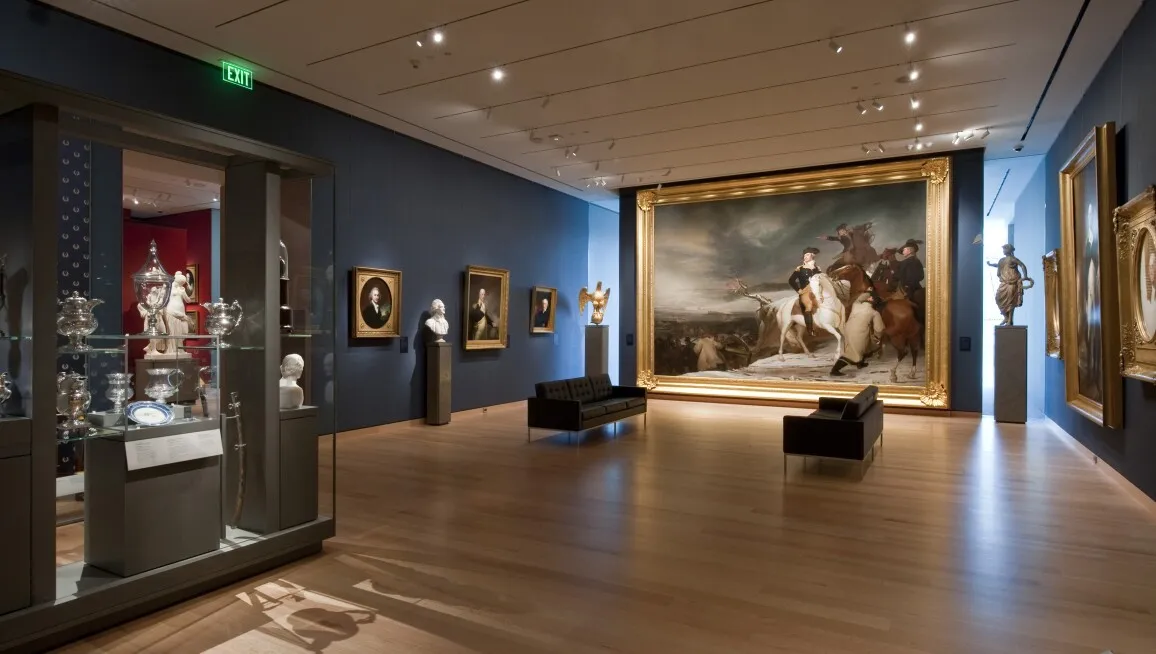 Photo: Museum of Fine Arts in Boston, via sothebys-com.brightspotcdn.com
Each sale exposed another gap in the art world's authentication process.
The Accidental Education of America
When de Hory's operation finally unraveled in 1968, American museums faced a crisis. How many other forgeries were hanging in their galleries? How could they prevent future deceptions? The scandal forced a complete overhaul of how American institutions approached art authentication.
Museums began investing in scientific analysis—X-ray technology, paint composition testing, and canvas dating methods that de Hory's generation of forgers couldn't fake. They hired specialists in provenance research who could trace a painting's ownership history with detective-like precision.
The International Foundation for Art Research was founded partly in response to the de Hory scandal, creating databases and networks that made it much harder for forgers to operate across multiple institutions.
The Forger Who Taught Museums to See
Dr. Thomas Hoving, who served as director of the Metropolitan Museum during the de Hory revelations, later wrote that the scandal "taught us more about looking at art than decades of traditional scholarship." The crisis forced curators to develop what Hoving called "a more suspicious eye"—not cynical, but scientifically rigorous.
Museums started requiring multiple forms of authentication before major purchases. They began sharing information about suspicious dealers and questionable works. Most importantly, they learned to trust scientific analysis as much as scholarly opinion.
The Ironic Legacy
By the time de Hory died in 1976, American museums had become significantly harder to fool. The authentication methods developed in response to his forgeries—infrared photography, microscopic paint analysis, computer databases of artistic techniques—became standard practice worldwide.
The irony wasn't lost on de Hory himself. In his final interviews, he claimed pride in having "improved the art world" through his deceptions. While his motives were hardly noble, the result was undeniable: American museums became more professional, more careful, and more deserving of public trust.
The Unexpected Teacher
Today's museum visitors benefit from security measures and authentication protocols that exist largely because one man proved how easy it was to fool the experts. Modern art institutions use scientific methods, international databases, and rigorous provenance research—tools developed specifically to prevent another Elmyr de Hory.
The man who set out to deceive America's cultural institutions ended up making them better at their fundamental mission: preserving and presenting authentic artistic heritage. His forgeries, once they were identified, became teaching tools that helped train a new generation of more skeptical, more scientifically-minded curators.
When Deception Serves Truth
De Hory's story reveals an uncomfortable truth about progress: sometimes the people who expose our weaknesses, even through deception, do us the greatest service. His perfect fakes forced American museums to abandon complacent practices and develop the rigorous standards that protect art collections today.
Every time a modern museum uses scientific analysis to authenticate a painting, every time curators carefully research a work's provenance before purchase, they're using tools and techniques refined in response to the master forger who fooled them all.
In the end, the man who tried to deceive American culture accidentally helped perfect it. The greatest con artist in art history became, quite unintentionally, one of its most effective teachers.