When Death Taught Him to See Life: The Gravedigger Who Found What Scientists Missed
The View from Six Feet Under
Marcus Whitfield learned about endings before he understood beginnings. Every morning at dawn, he'd follow his father through the wrought iron gates of Hillcrest Cemetery in eastern Kentucky, where the Whitfield family had been digging graves for three generations. While other kids his age were sleeping in, Marcus was measuring plots, breaking ground, and lowering caskets into the red clay earth.
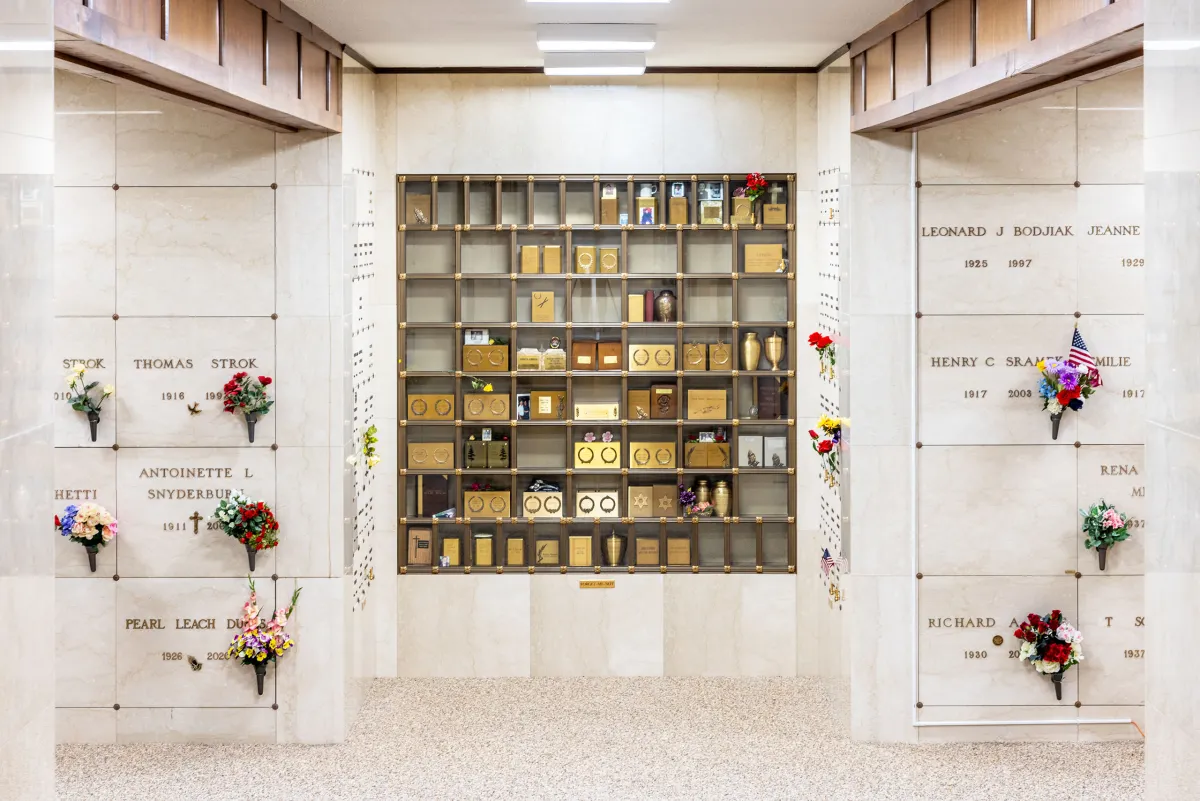 Photo: Hillcrest Cemetery, via hillcrest-cemetery.com
 Photo: Marcus Whitfield, via s3media.247sports.com
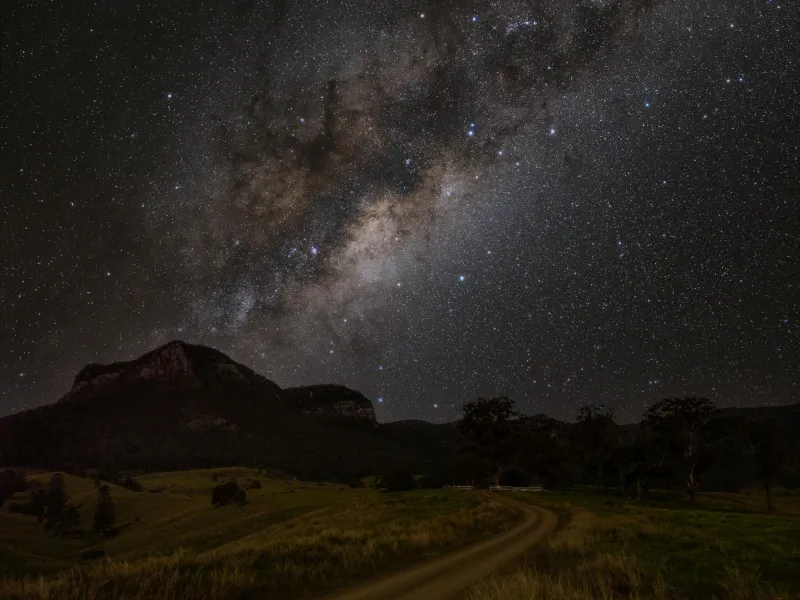
But it was what happened after dark that set Marcus apart. When the cemetery gates locked and the last mourners had driven away, he'd climb onto the roof of the groundskeeper's shed with a battered telescope his grandfather had bought at a pawn shop. From there, surrounded by headstones and silence, he began mapping a universe that professional astronomers had largely ignored.
The Objects Nobody Wanted
In the 1960s, the astronomical establishment was obsessed with bright, dramatic objects—supernovas, quasars, and massive galaxies that made for impressive photographs and grant proposals. What they weren't interested in were the dim, irregular patches of light that cluttered their images and complicated their calculations. These "nuisance objects" were often dismissed as cosmic debris, unworthy of serious study.
Marcus saw something different. Night after night, using nothing but his grandfather's telescope and a notebook he'd stolen from the funeral home office, he began cataloging these forgotten celestial bodies. He developed his own classification system, sketching their shapes and tracking their movements with the same methodical precision his father used to measure grave plots.
"Most astronomers wanted to study the flashy stuff," Marcus would later recall. "But I was used to paying attention to things other people preferred to ignore."
The Observations That Changed Everything
For fifteen years, Marcus worked his double life—gravedigger by day, astronomer by night. He never published his findings or contacted universities. He simply observed, recorded, and accumulated data that would have made professional researchers jealous, if they'd known it existed.
The breakthrough came in 1979, when Dr. Sarah Chen, a graduate student at the University of Chicago, was reviewing archival sky surveys for her dissertation on galactic formation. She noticed several objects that appeared in multiple images but had never been formally cataloged. When she tried to track down their discovery records, she found a dead end—until a colleague mentioned hearing about an amateur astronomer in Kentucky who claimed to have been watching these same objects for years.
 Photo: Dr. Sarah Chen, via d1k13df5m14swc.cloudfront.net
From Cemetery to Conference
The first phone call between Dr. Chen and Marcus lasted four hours. She'd expected to find a hobbyist with a few casual observations. Instead, she discovered fifteen years of meticulous data on what would later be recognized as some of the most important dwarf galaxies in our local cosmic neighborhood.
Marcus's observations revealed that these small, dim galaxies weren't random cosmic clutter—they were the building blocks of larger galactic structures. His careful tracking of their movements and interactions provided the first clear evidence for what cosmologists now call "hierarchical galaxy formation," the process by which small galaxies merge to create larger ones over billions of years.
"He saw the forest while we were all staring at individual trees," Dr. Chen said. "And he did it from a cemetery in Kentucky with a telescope that cost less than most people spend on their car payment."
The Night Shift Advantage
Marcus's unconventional background turned out to be his greatest asset. While professional astronomers were competing for time on expensive telescopes and fighting over funding, he had unlimited access to some of the darkest skies in the eastern United States. The rural location that had seemed like a disadvantage—far from universities and research centers—was actually perfect for astronomical observation.
More importantly, his work with death had taught him patience and attention to detail that most researchers never developed. "When you're responsible for someone's final resting place, you learn not to rush," he explained. "You measure twice, dig once, and you pay attention to things that might not seem important to other people."
Recognition and Revolution
By 1985, Marcus had been invited to present his findings at the American Astronomical Society's annual conference. Standing before an audience of PhD astronomers and Nobel laureates, the gravedigger from Kentucky delivered a presentation that fundamentally changed how scientists understood galactic evolution.
His catalog of dwarf galaxies became the foundation for dozens of subsequent studies. The Whitfield Classification System, as it came to be known, is still used by astronomers today. Universities began offering him positions, but Marcus declined them all. He preferred his cemetery, his night shift, and his unobstructed view of the cosmos.
The Universe in a Grain of Dirt
Marcus Whitfield retired from gravedigging in 1995, but he never stopped observing. Now in his eighties, he still climbs onto that shed roof on clear nights, still tracking the movements of galaxies that others had dismissed as insignificant.
His story reminds us that the most important discoveries often come from the most unlikely places. Sometimes it takes someone standing at the edge of endings to see the beginning of everything else.
"People ask me how I knew those little galaxies were important," Marcus says. "But when you spend your days helping people say goodbye, you learn to appreciate the small things that endure. Those galaxies had been there for billions of years, waiting for someone to notice. I just happened to be the one looking."