From Parking Lots to the Highest Court: When America's Justices Started at the Bottom
The Night Shift That Changed Everything
Clarence Thomas was working the night shift at a chemical plant in Georgia, his hands stained with industrial dye, when most of his future colleagues were already climbing the ivory towers of elite law schools. The future Supreme Court Justice spent his evenings hauling fifty-pound bags of fertilizer, a job that left him exhausted but determined to find another path.
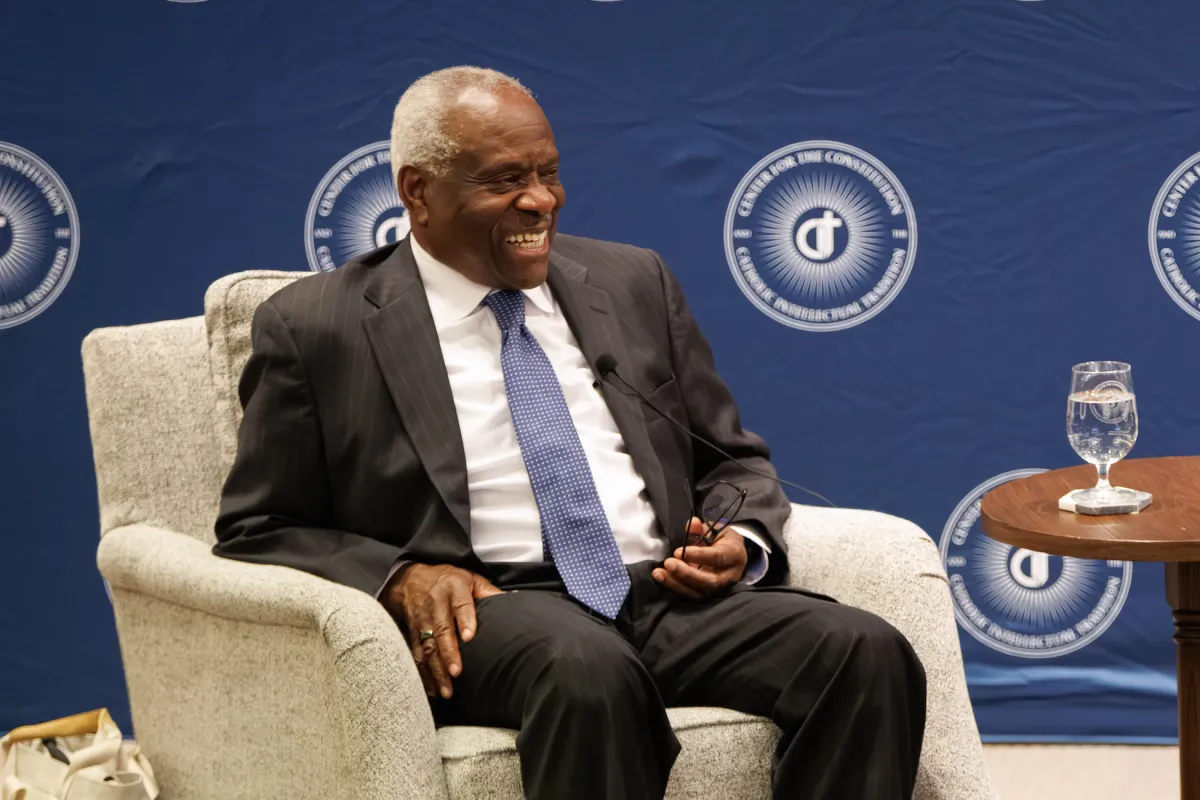 Photo: Clarence Thomas, via www.catholic.edu
Thomas wasn't alone. Some of America's most consequential legal minds didn't start in marble courtrooms or prestigious law firms—they started in grocery stores, parking lots, and factory floors. Their proximity to ordinary American life would later inform legal decisions that touched millions.
When Groceries Became Constitutional Law
Harry Blackmun, the justice who would pen the landmark Roe v. Wade decision, spent his teenage summers working as a grocery store clerk in Minneapolis. While his classmates enjoyed summer vacations, Blackmun was learning about working families from behind a cash register—watching mothers count pennies for milk, seeing fathers work double shifts just to afford basics.
Decades later, when Blackmun sat down to write one of the most controversial decisions in Supreme Court history, colleagues noticed something different in his approach. Unlike justices who relied purely on legal precedent, Blackmun consistently asked: "How will this affect the woman in the grocery store checkout line?"
That perspective didn't come from law school. It came from aisle seven.
The Parking Attendant Who Parked Injustice
Before Thurgood Marshall became the first Black Supreme Court Justice, he spent a summer parking cars at a country club in Baltimore. The irony wasn't lost on him—during the day, he parked Cadillacs for wealthy white members who wouldn't acknowledge his existence; at night, he studied law books by lamplight, preparing for a career that would dismantle the very system that kept him in a parking booth.
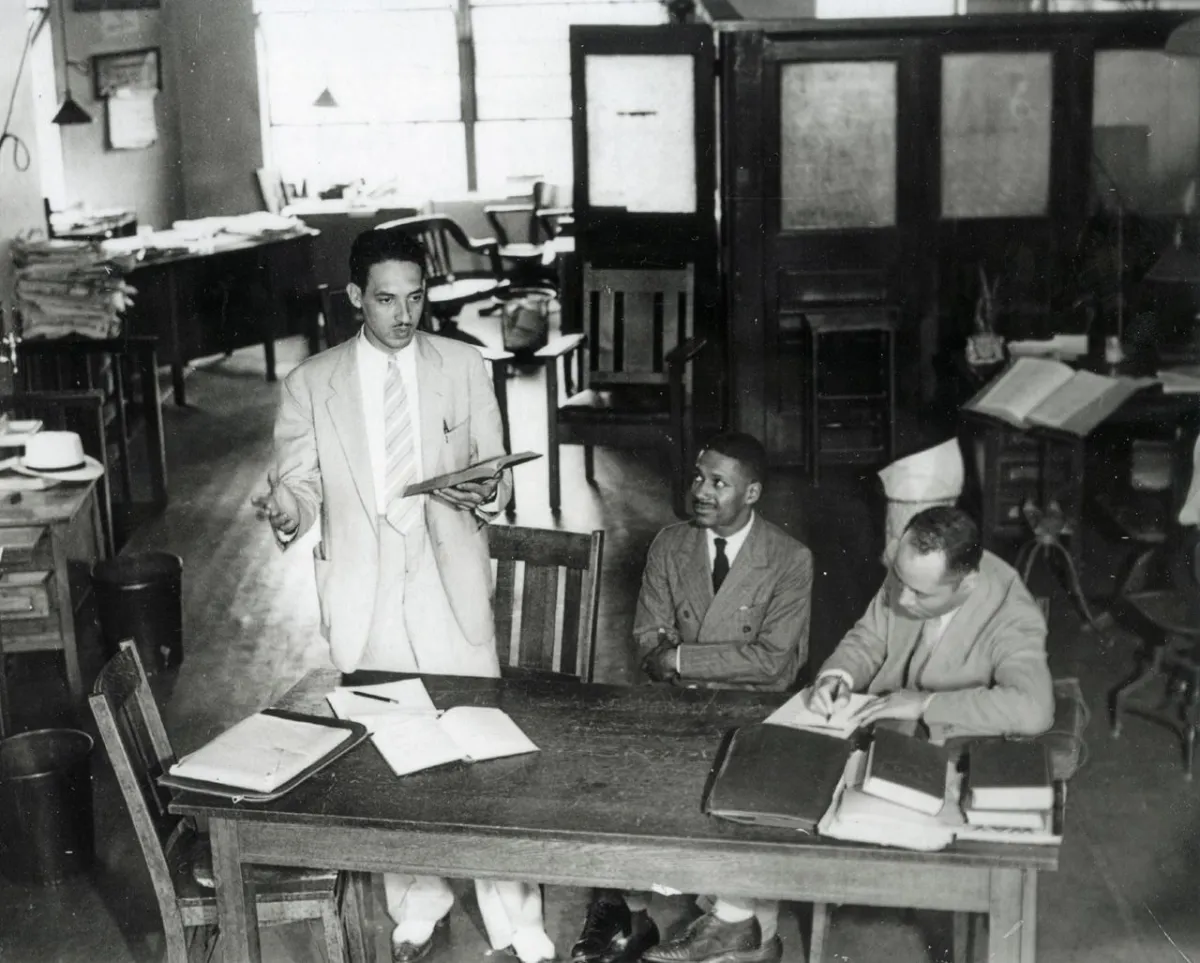 Photo: Thurgood Marshall, via myhero.com
Marshall later said those months taught him more about American inequality than any textbook ever could. When he argued Brown v. Board of Education, the case that ended school segregation, Marshall drew on memories of watching privileged children play tennis while he worked in the summer heat.
Coffee Shop Conversations and Constitutional Rights
Sandra Day O'Connor, the first woman on the Supreme Court, worked as a waitress at a truck stop diner during law school. Male customers routinely ignored her legal opinions but listened when she poured coffee. The experience of being dismissed because of her gender would later influence her approach to cases involving workplace discrimination and women's rights.
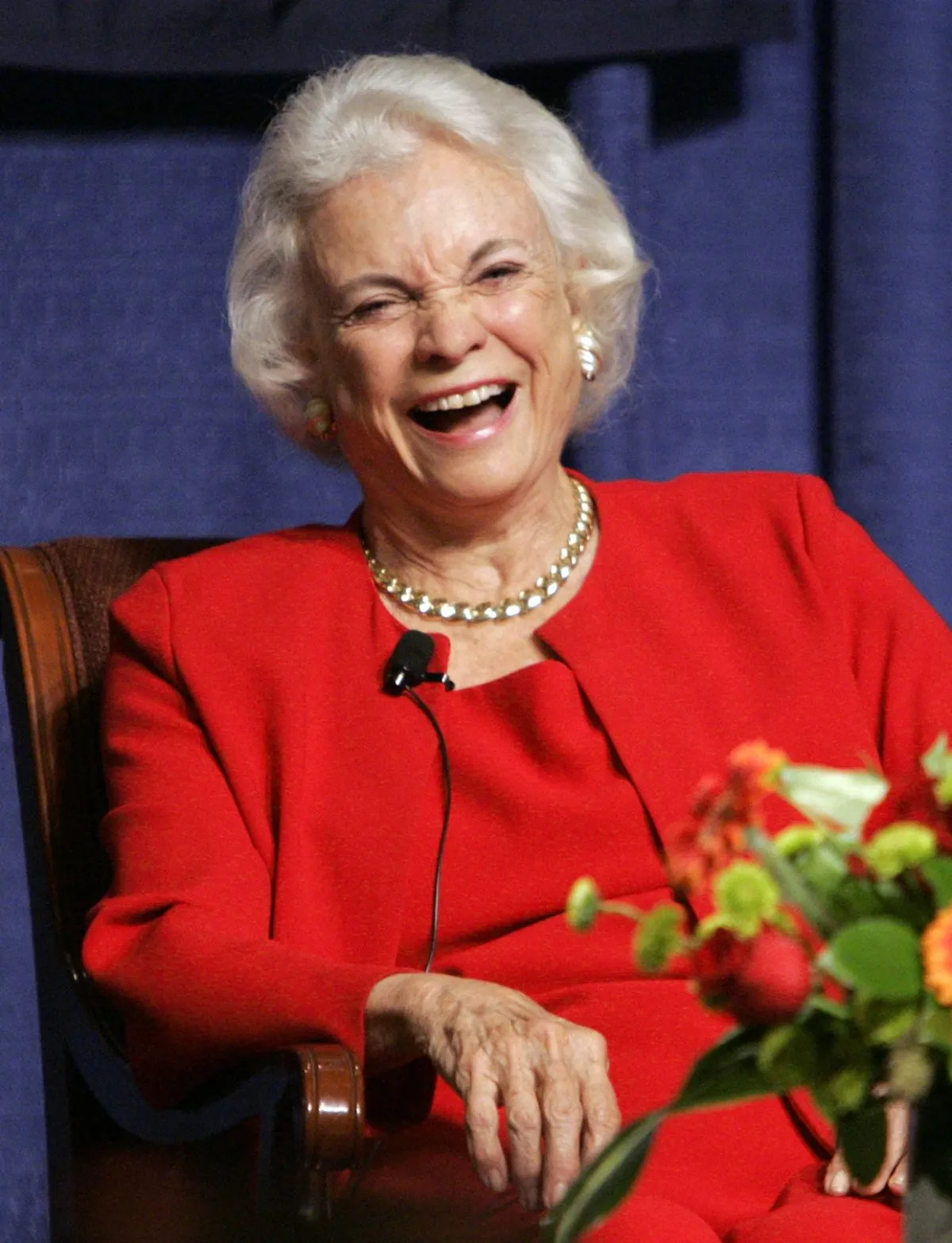 Photo: Sandra Day O'Connor, via s.yimg.com
O'Connor kept a photo from those diner days in her Supreme Court chambers—not as a reminder of how far she'd come, but as a reminder of whose voices often go unheard in American courtrooms.
The Factory Floor Philosophy
Antonin Scalia spent a summer working on a loading dock in Queens, New York, before attending Harvard Law School. The experience of working alongside immigrants, high school dropouts, and career laborers gave him insight into what he called "the real America"—people who lived paycheck to paycheck and dealt with government regulations in their daily work lives.
While Scalia became known for his conservative judicial philosophy, former colleagues noted that his working-class summer informed his suspicion of overly complex legal language. "If a dock worker in Queens can't understand it," Scalia once said, "we probably wrote it wrong."
When Humble Beginnings Shape Historic Decisions
The pattern isn't coincidental. Supreme Court justices who worked service jobs before their legal careers consistently showed more sensitivity to how abstract legal principles affect ordinary Americans. They asked different questions during oral arguments, wrote decisions with clearer language, and often considered the practical implications of their rulings.
Chief Justice John Roberts, who worked construction during college summers, has noted that his blue-collar experience taught him to "think about how legal decisions play out in real neighborhoods, not just in law journals."
The Unlikely Path to Justice
Today's law students often follow predictable paths: elite undergraduate degrees, prestigious internships, clerkships with federal judges. But some of the most transformative legal minds in American history took a different route—one that led through grocery stores, parking lots, and factory floors.
These justices prove that the most profound legal insights sometimes come not from studying law, but from living life alongside the people who are most affected by it. When America's highest court makes decisions that touch every citizen, perhaps it's fitting that some of its members once stood behind cash registers, serving those very same citizens.
The next time you see someone stocking shelves or parking cars, remember: you might be looking at a future Supreme Court Justice. In America, the path to the highest court in the land sometimes starts in the most unlikely places.