The Accidental Archivist: How One Driver's Curiosity Captured the Soul of Traveling America

The Route That Never Ended
Tommy Rodriguez started driving for Greyhound in 1962 with a simple philosophy: treat every passenger like family, and every route like an adventure. What began as friendly conversation during smoke breaks evolved into something unprecedented in American oral history—though Tommy wouldn't learn that until decades later.
 Photo: Tommy Rodriguez, via businessdeccan.com
His route covered the industrial Midwest, connecting Detroit to Chicago, Milwaukee to Indianapolis, with dozens of small-town stops in between. These weren't glamorous destinations, and his passengers weren't tourists. They were factory workers visiting relatives, elderly women traveling to medical appointments, young men heading to job interviews, and families moving to wherever opportunity seemed most promising.
In 1967, Tommy bought a small cassette recorder at a truck stop in Gary, Indiana. His original plan was modest: record himself practicing Spanish during layovers to surprise his wife Rosa with improved pronunciation. But something unexpected happened during his first recording session at the Kokomo depot.
The Accidental Beginning
While testing the recorder, an elderly passenger named Earl Hutchins sat down beside Tommy on the depot bench. Earl had been riding buses for forty years, he explained, ever since losing his driver's license to cataracts. As they talked, Earl began sharing stories about how America's small towns had changed—factories closing, young people leaving, main streets emptying out.
Tommy found himself so absorbed in Earl's observations that he forgot the recorder was running. Only later, listening back to practice his Spanish, did he realize he'd captured something remarkable: a working-class perspective on economic transformation that no academic study could replicate.
From that moment, Tommy made a decision that would define the rest of his career. At every layover, during every break, he would ask passengers if they minded him recording their conversations. Most agreed readily—there was something about Tommy's genuine curiosity that made people want to share their stories.
The Mobile Confessional
Over the next thirty years, Tommy's cassette collection grew into something extraordinary. He recorded farmers discussing crop failures, autoworkers describing assembly line changes, single mothers explaining how they managed childcare while working multiple jobs. He captured the voices of Vietnam veterans returning home, civil rights activists traveling to demonstrations, and immigrants describing their first impressions of American cities.
What made Tommy's archive unique wasn't just its scope, but its authenticity. Unlike formal interviews conducted by researchers, these were genuine conversations between equals. Tommy was a working-class Mexican-American who understood the struggles his passengers faced. His questions weren't academic—they were the natural curiosity of someone who genuinely cared about other people's experiences.
His subjects spoke differently to Tommy than they would to a university researcher. They used their natural speech patterns, shared personal details, and offered unfiltered opinions about everything from local politics to family dynamics. The result was an unvarnished portrait of American working-class life during a period of massive social and economic change.
The Obsessive Method
Tommy developed an intricate system for organizing his recordings. Each cassette was labeled with the date, route, and basic demographics of speakers. He kept a separate notebook with additional context—weather conditions, current events passengers were discussing, and his own observations about their mood or circumstances.
By the mid-1970s, Tommy was carrying multiple recorders to ensure he never missed a conversation due to technical problems. His wife Rosa initially worried about his "hobby," especially when their garage became filled with boxes of carefully labeled cassettes. But she gradually became his partner in the project, helping with organization and occasionally suggesting questions Tommy might ask.
Tommy's supervisors at Greyhound were initially suspicious of the recording project, concerned about passenger privacy. But when they realized Tommy's conversations actually improved customer satisfaction—passengers appreciated his genuine interest in their lives—they left him alone. Some even began sharing their own stories during driver meetings.
The Academic Discovery
In 1995, Tommy was forced into early retirement due to back problems from decades of driving. Unsure what to do with his massive collection of recordings, he contacted the local historical society in Milwaukee, thinking they might be interested in a few cassettes about regional history.
Dr. Patricia Hendricks, a social historian at the University of Wisconsin, was volunteering at the historical society when Tommy brought in a sample of his recordings. After listening to just a few hours of material, she realized she was encountering something unprecedented: the most comprehensive collection of unfiltered American working-class voices ever assembled.
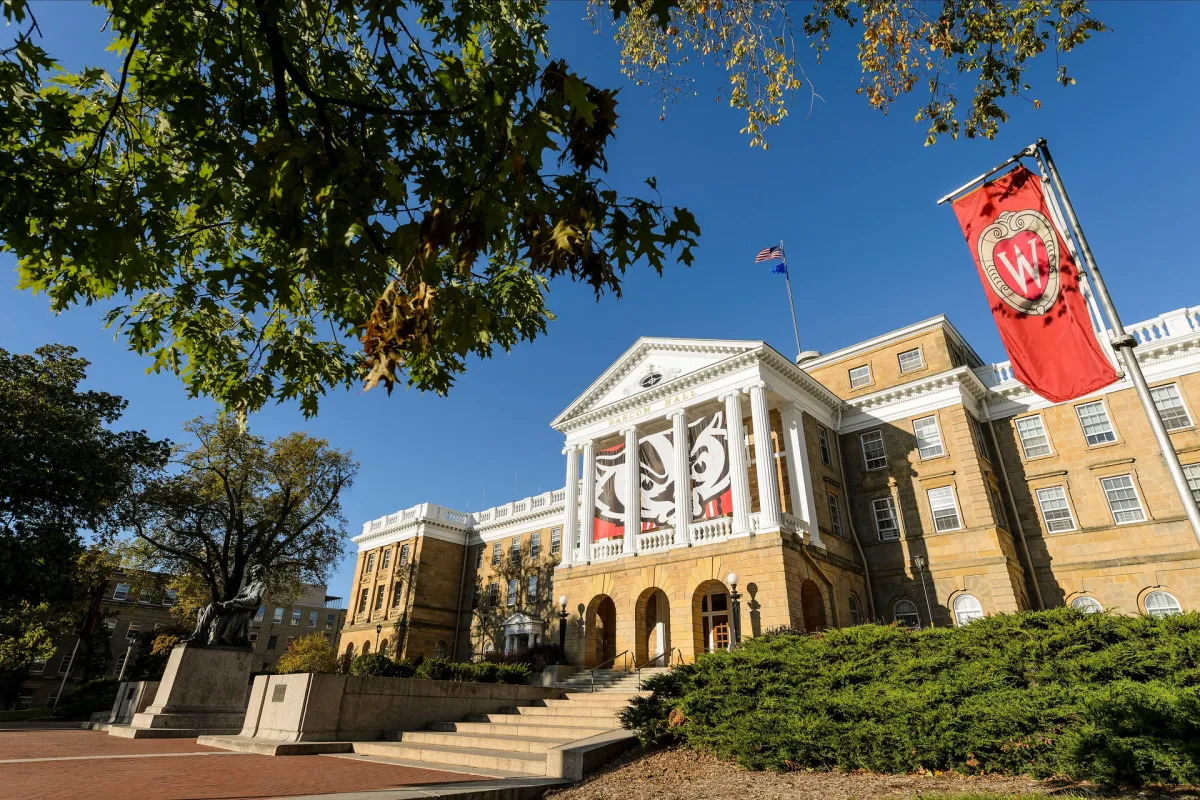 Photo: University of Wisconsin, via wallpapers.com
What amazed Dr. Hendricks wasn't just the volume—over 8,000 hours of recordings—but the consistency of Tommy's approach. Despite having no formal training, he had instinctively followed best practices for oral history collection. His questions were open-ended, his presence was unobtrusive, and his genuine curiosity had created an environment where people felt safe sharing their authentic experiences.
The Invaluable Archive
Academic institutions immediately recognized the collection's significance. The Smithsonian Institution's National Museum of American History acquired the complete archive in 1998, calling it "the most important collection of American vernacular voices of the late twentieth century." Researchers from dozens of universities began using Tommy's recordings to study everything from linguistic change to economic transformation to social mobility.
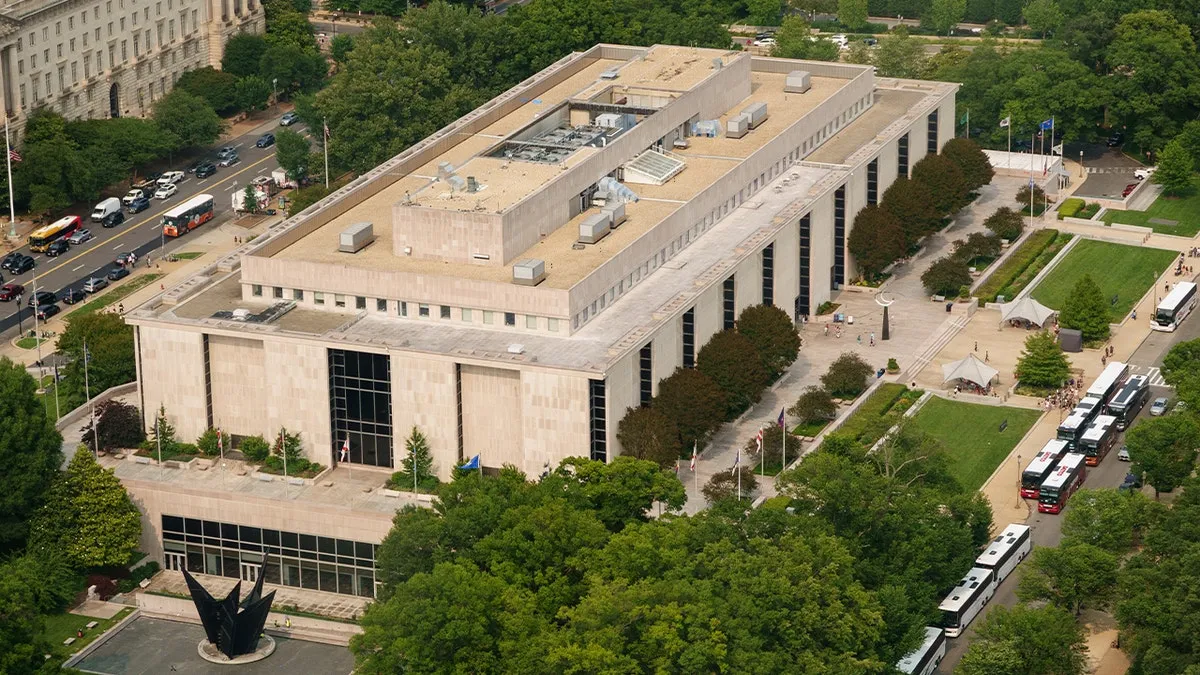 Photo: Smithsonian Institution's National Museum of American History, via a57.foxnews.com
What made the archive particularly valuable was its longitudinal nature. Tommy had recorded some passengers multiple times over decades, creating inadvertent case studies of how individual lives evolved during periods of massive change. Researchers could trace how the same person's perspectives shifted as factories closed, neighborhoods changed, and family circumstances evolved.
The collection also captured voices that traditional academic research often missed. Tommy's passengers included undocumented immigrants, people with criminal records, individuals struggling with mental illness, and others who typically avoided contact with institutions. Their perspectives provided crucial context for understanding American social history from the bottom up.
The Unintended Legacy
Tommy Rodriguez died in 2018 at age seventy-eight, having lived to see his "hobby" recognized as one of the most important historical archives of his generation. Scholars continue discovering new insights in his recordings, and portions of the collection are now used in high school and college courses across the country.
Perhaps most remarkably, Tommy's work has inspired a new generation of "accidental archivists"—ordinary people who document their communities through casual conversation and careful observation. His example proves that the most valuable historical documentation often comes not from institutions with massive budgets, but from individuals with genuine curiosity about their fellow human beings.
The Power of Simple Curiosity
Tommy Rodriguez never set out to become a historian. He was just a bus driver who enjoyed talking to people and had the foresight to press "record." His story reminds us that history isn't just made by famous people—it's lived by everyone, and sometimes the most important job is simply listening carefully enough to preserve those voices for future generations.
In an era when technology allows anyone to document everything, Tommy's archive stands as a reminder that the quality of historical documentation depends not on equipment but on the humanity of the person behind the microphone.